Scope and quotation
Vessel type, dimensions, location, purpose of the assignment and any additional checks are agreed before the inspection.

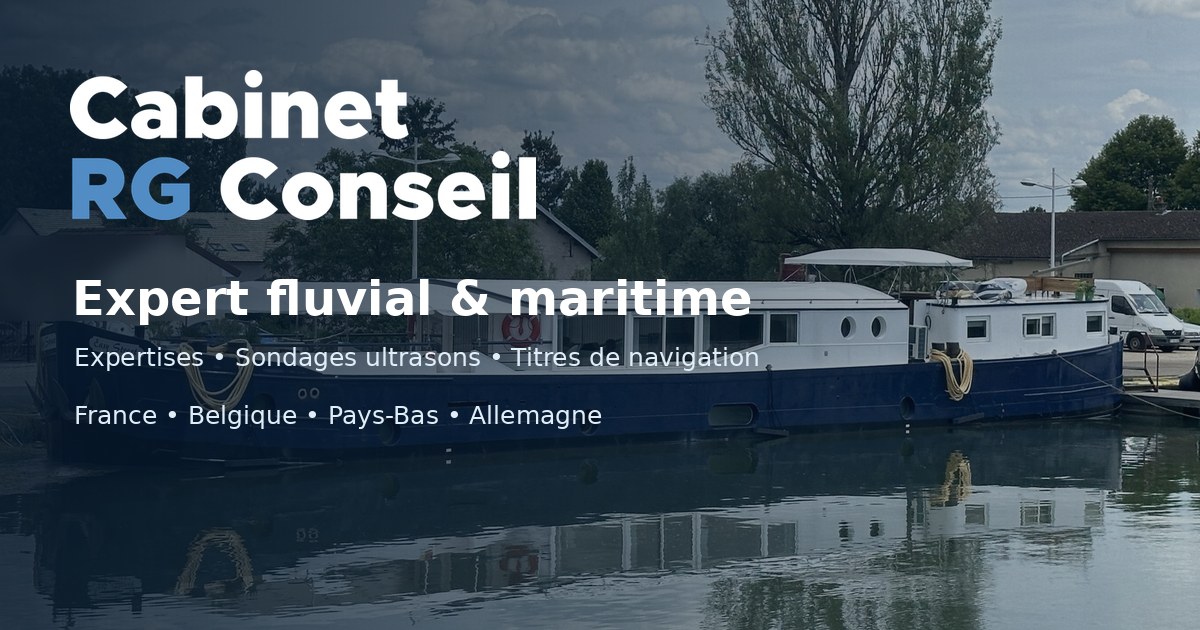

Pre-purchase surveys, insurance valuations, ultrasonic hull gauging and statutory inspections. Services across France, Belgium, the Netherlands and Germany, with a detailed illustrated report — an English-language report available.
One answer for every situation — and a single point of contact, from quote to report.
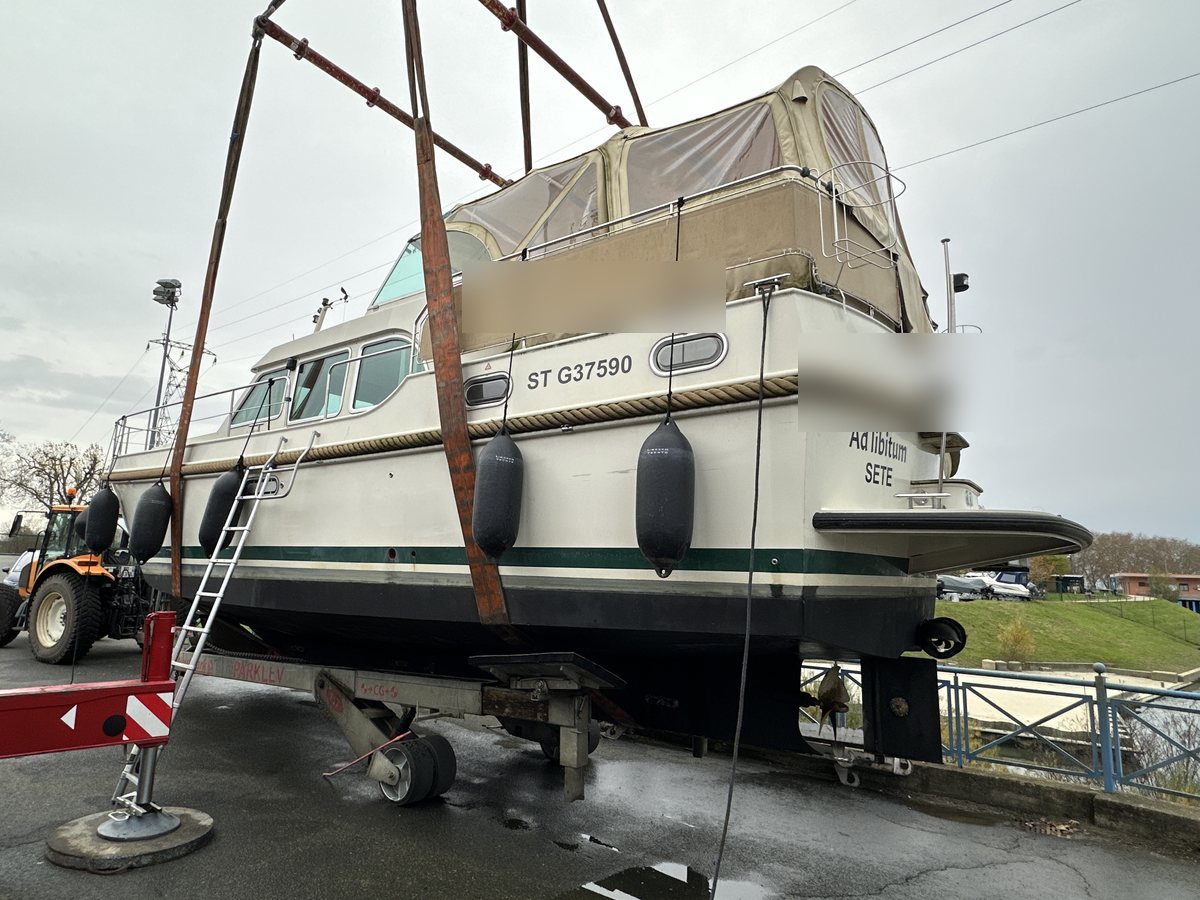
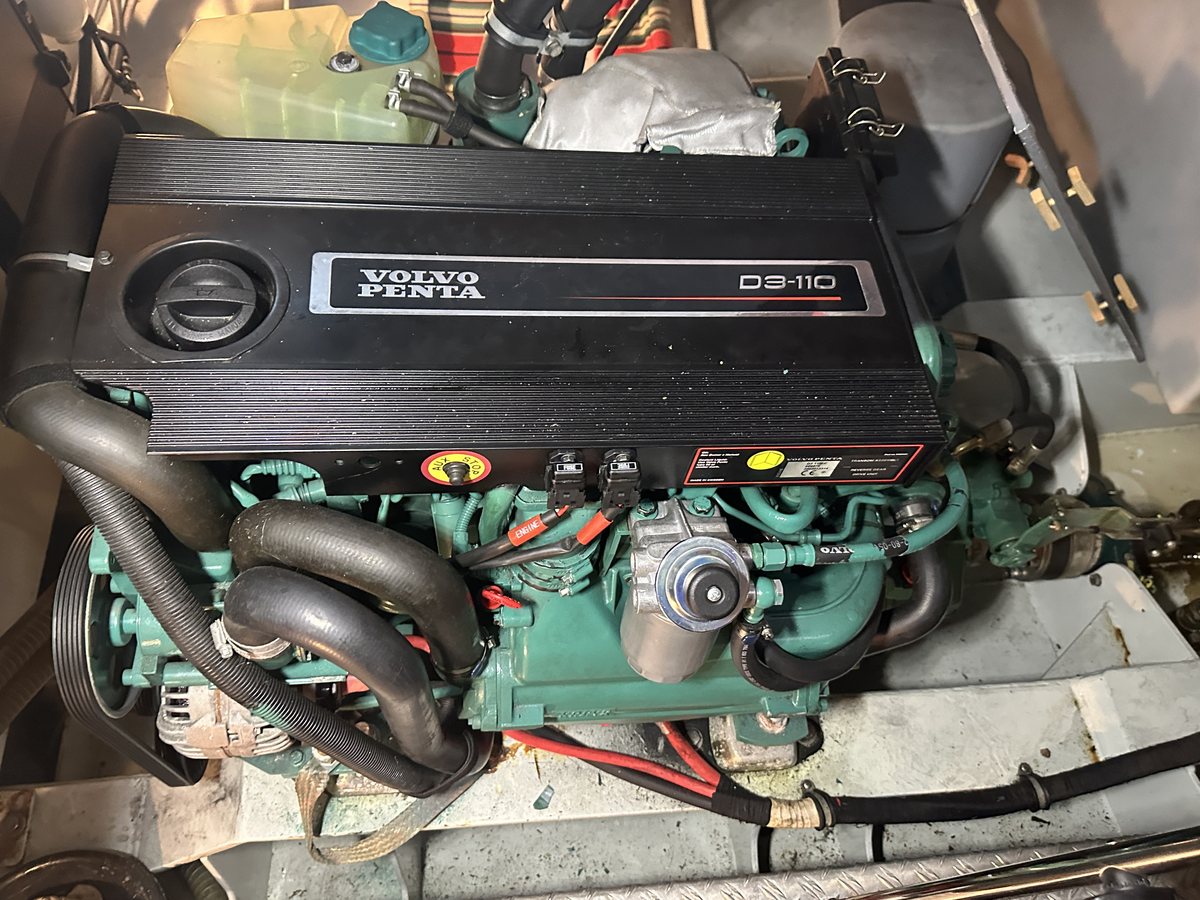
The pre-purchase survey examines everything — hull, engine, systems, safety, running tests. You commit with full knowledge, and negotiate on facts.
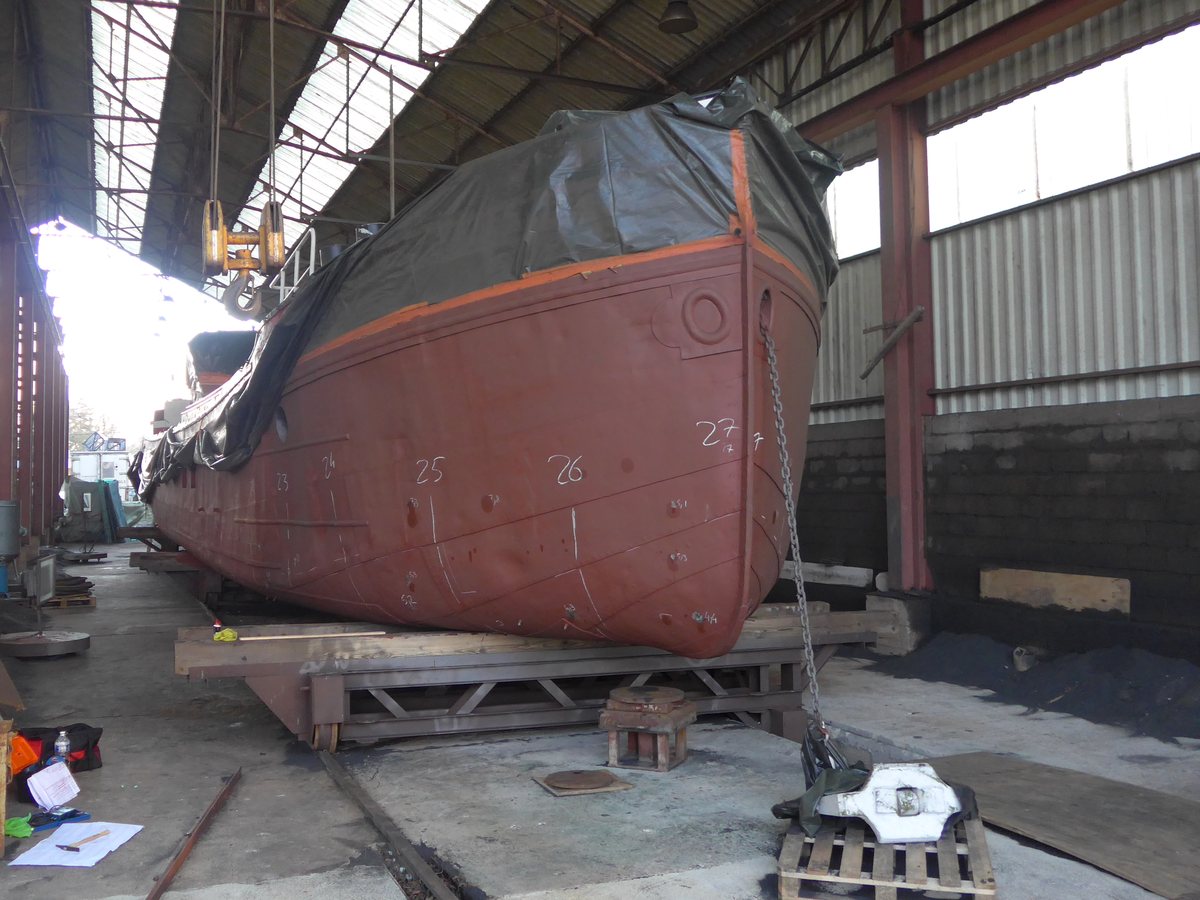
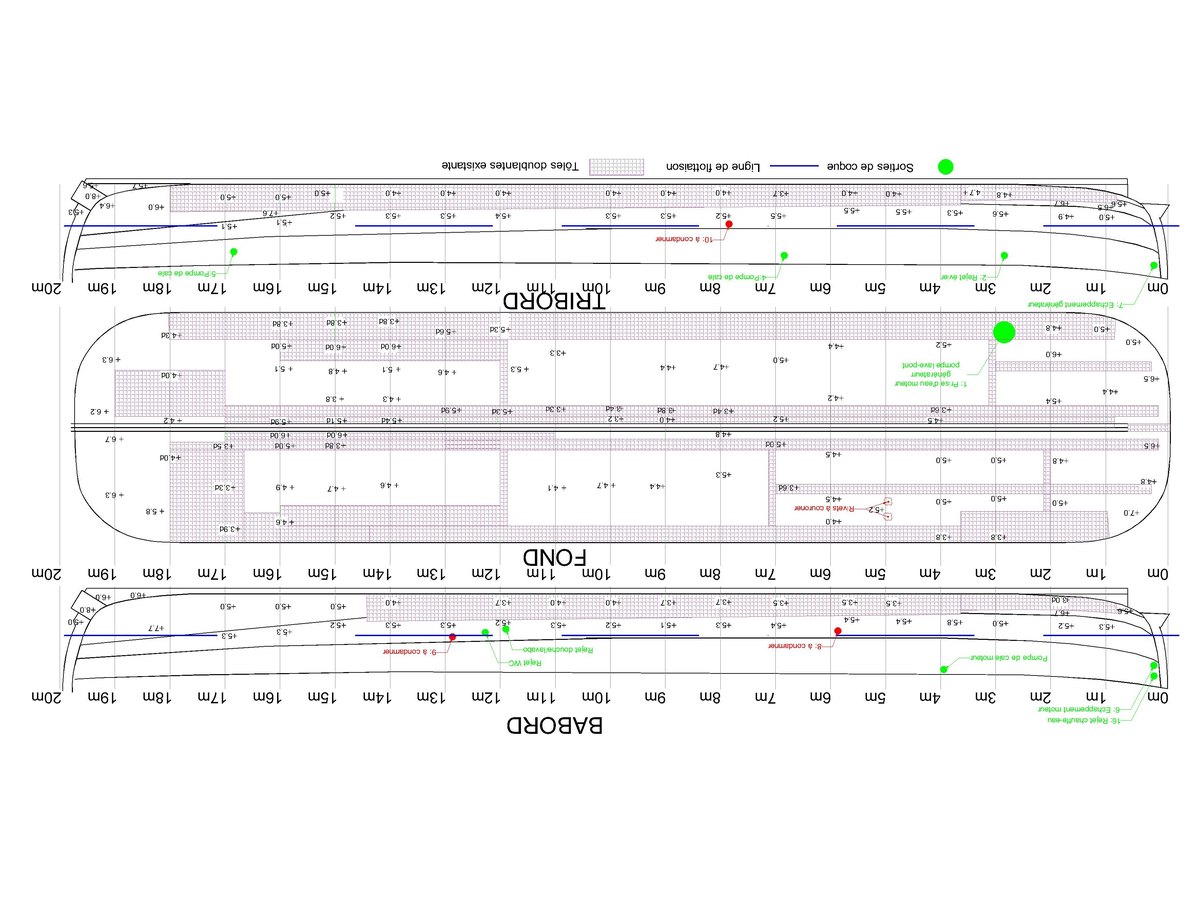
The hull measured point by point by an ISO 9712 certified operator, every reading mapped in the report.
Valuations for taking out or renewing your policies, condition statements and post-casualty surveys, recognised by insurers.
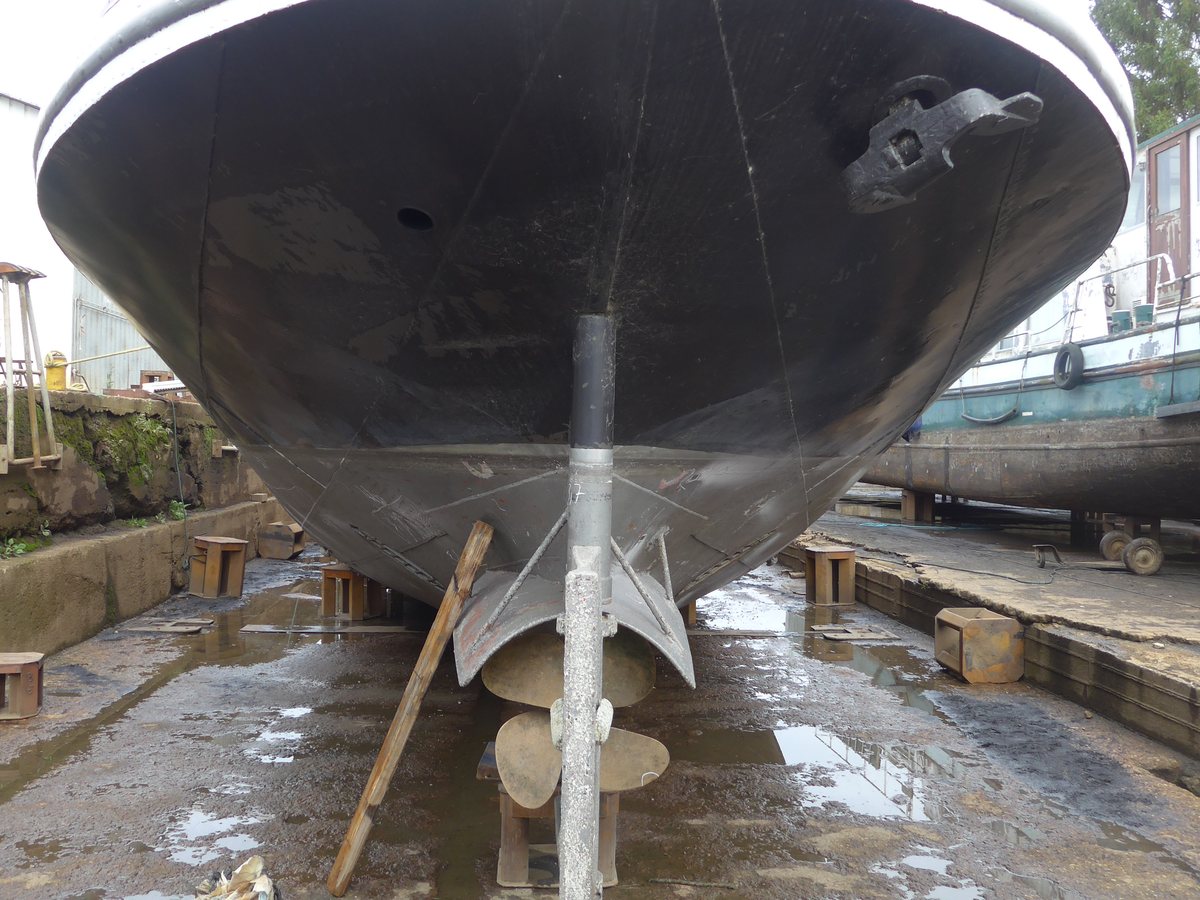
Dry-dock and in-water inspections for the issue or renewal of a certificate, against the ES-TRIN standard, working directly with your administration.
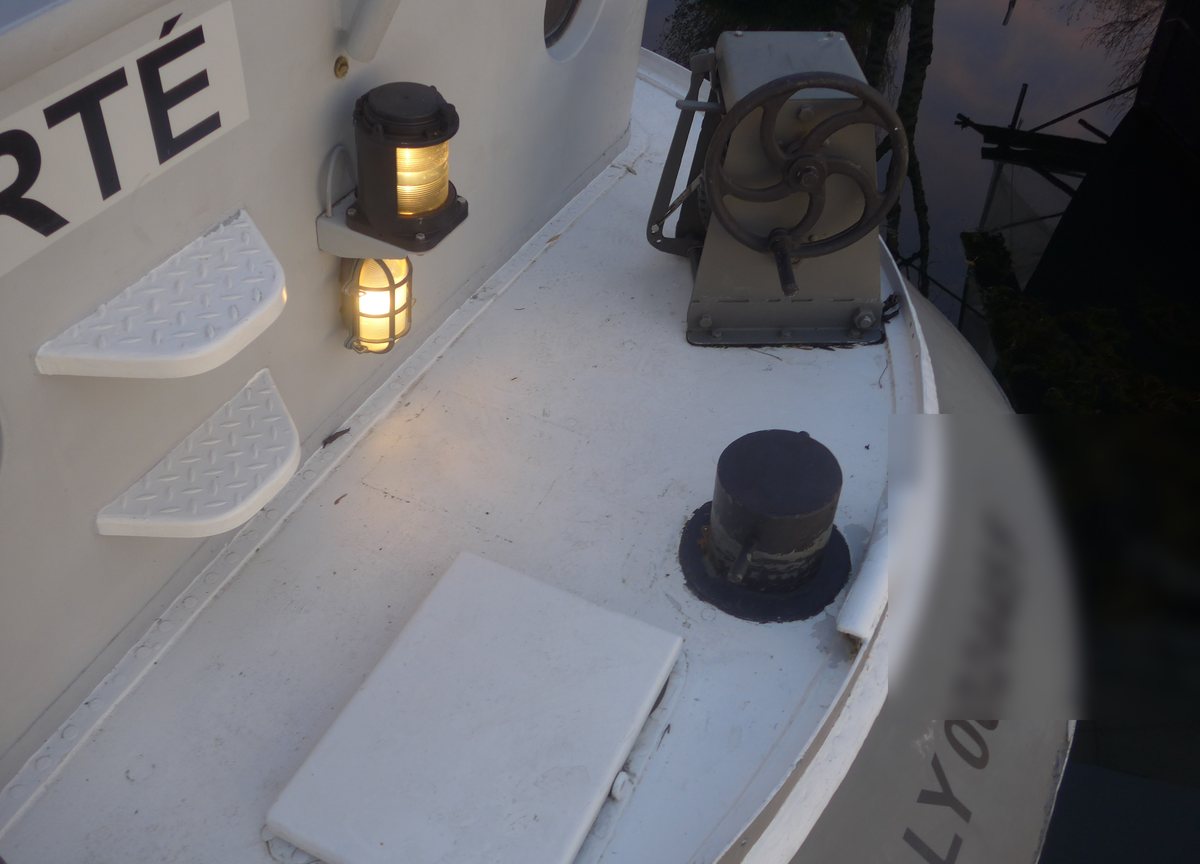
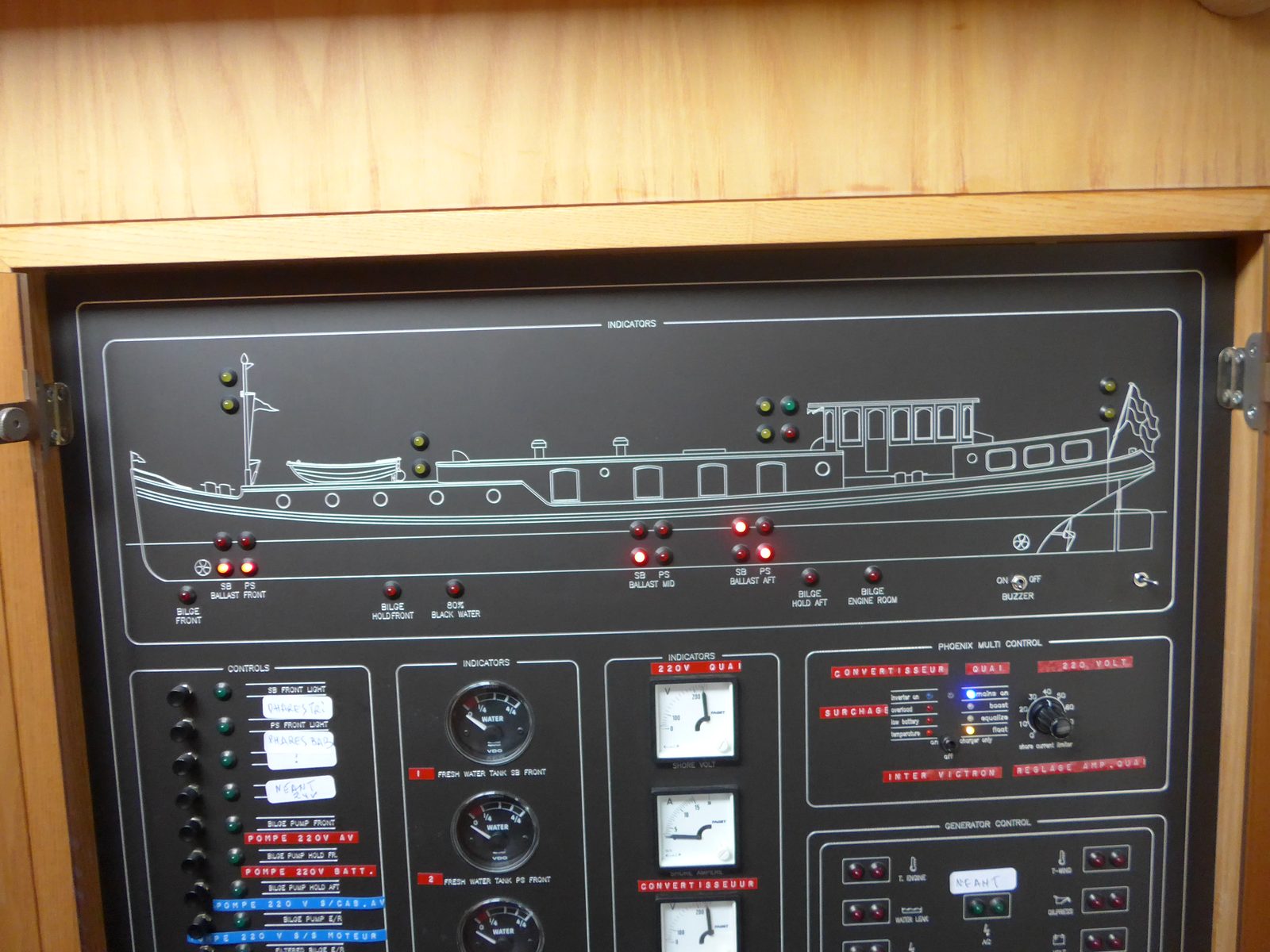
Verification of on-board systems — electrical distribution, domestic gas — with an inspection report.
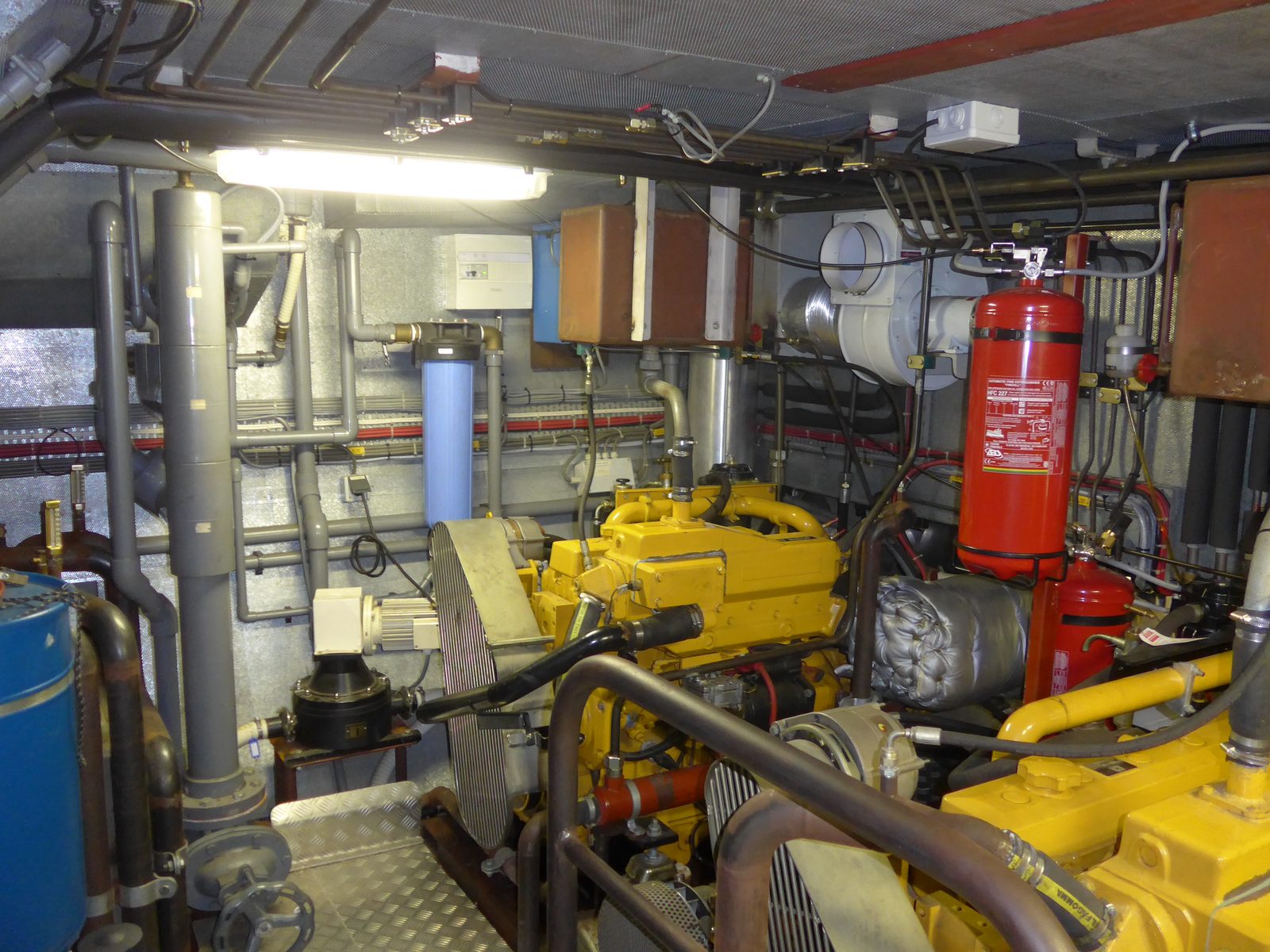
Interim inspection, technical monitoring, follow-up survey and verification of completed works, with precise findings and an illustrated report.
The practice surveys every vessel on the waterways — barges and self-propelled vessels, recreational craft, houseboats, floating establishments, working and passenger vessels — from six to eighty metres.
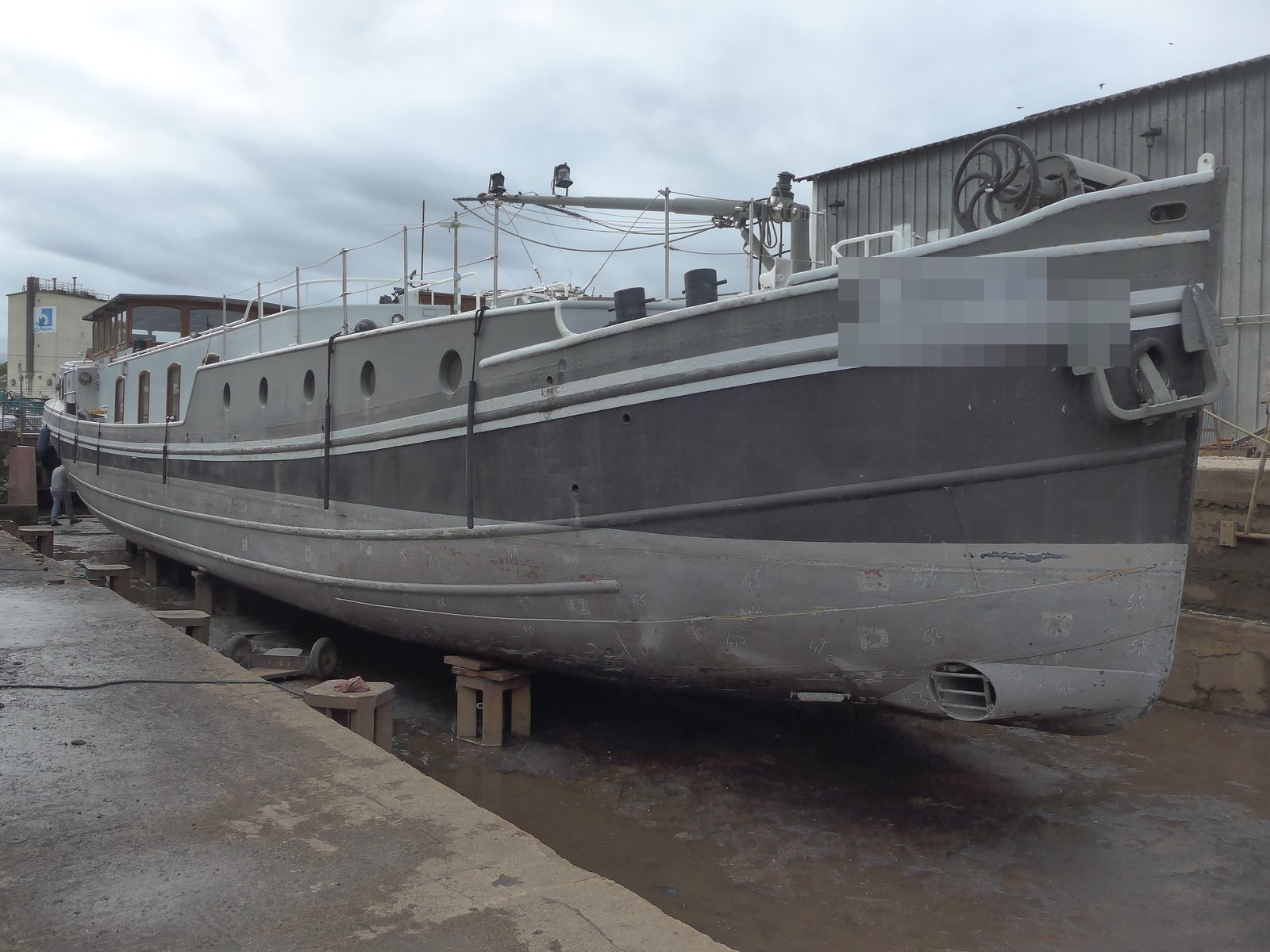
Every hull is sounded on a hand-chalked grid. The readings are mapped in the report: you know precisely where your boat stands, and what to plan for.
The scope is agreed before the visit, and every stage is documented so you know exactly what was inspected and why.
Vessel type, dimensions, location, purpose of the assignment and any additional checks are agreed before the inspection.
Dry and/or afloat inspection, measurements, system tests and photographic findings, in accordance with the agreed scope.
Significant defects and urgent points are explained clearly, without waiting for the final report when immediate action is needed.
Findings, measurements, conclusions and recommendations are brought together in a practical document. English-language reports are available.
By ministerial decision of 1 June 2026, the practice is accredited by the French Ministry of Transport to assess the compliance of floating structures in inland navigation, with Aurélien Régent appointed signatory expert. The accreditation has two levels.
For recreational craft of 20 metres and over, houseboats and private floating establishments, worksite and service craft, floating equipment, fishing vessels and passenger vessels up to twelve passengers: the practice carries out issue, renewal and provisional certificates.
For all other floating structures — up to large category 3 commercial vessels, tankers and container vessels included — the practice issues provisional certificates.
| Floating structures | Initial issueor major conversion | Certificaterenewal | Provisionalcertificate |
|---|---|---|---|
| Category 1 | |||
| a) Cargo vessels ≤ 110 m — no dangerous goods, no cargo tanks | – | – | ✕ |
| b) Recreational craft ≥ 20 m, or with L × B × draught ≥ 100 m³ | ✕ | ✕ | ✕ |
| c) Worksite craft | ✕ | ✕ | ✕ |
| d) Service vessels | ✕ | ✕ | ✕ |
| e) Floating establishments for private use | ✕ | ✕ | ✕ |
| f) Fishing vessels without lifting gear | ✕ | ✕ | ✕ |
| g) Passenger vessels — up to 12 passengers | ✕ | ✕ | ✕ |
| Category 2 | |||
| a) Passenger vessels — 13 to 75 passengers in zone 2, or 13 to 150 in zones 3, 4 and R | – | – | ✕ |
| b) Floating equipment and service floating equipment | ✕ | ✕ | ✕ |
| c) Fishing vessels with lifting gear | ✕ | ✕ | ✕ |
| d) Floating establishments open to the public — up to 300 people | – | – | ✕ |
| e) Container vessels ≤ 110 m — no dangerous goods | – | – | ✕ |
| f) Tankers ≤ 110 m — no dangerous goods | – | – | ✕ |
| g) Ships under an inland navigation certificate (art. L. 4220-1) ≤ 24 m | – | – | ✕ |
| Category 3 | |||
| a) Passenger vessels in zone 1, > 75 passengers in zone 2, or > 150 passengers in other zones | – | – | ✕ |
| b) Self-propelled vessels > 110 m, new or undergoing major conversion | – | – | ✕ |
| c) Vessels subject to mandatory classification-society involvement (dangerous goods) | – | – | ✕ |
| d) Pushers, tugs and powered units of dangerous-goods convoys | – | – | ✕ |
| e) Floating establishments open to the public — more than 300 people | – | – | ✕ |
| f) Vessels capable of exceeding 40 km/h through the water | – | – | ✕ |
| g) Ships under an inland navigation certificate (art. L. 4220-1) > 24 m | – | – | ✕ |
| h) Self-propelled vessels > 110 m — no dangerous goods | – | – | ✕ |
| i) Tankers > 110 m — no dangerous goods | – | – | ✕ |
| Other | |||
| Floating establishments not requiring a DPMC — under 12 passengers or under 20 m | ✕ | – | ✕ |
✕ covered by the accreditation · – outside the scope
This scope only concerns the certification of navigation titles. Survey work — valuation, damage, pre-purchase — applies to any vessel, without restriction. Decision NOR: TRAT2609740S.
Founded by Aurélien Régent, Cabinet RG Conseil puts hands-on technical expertise at the service of inland navigation, from the heart of the Rhône-Saône network. More than three hundred vessels inspected: liveaboard barges, recreational craft, floating establishments and working vessels — for private owners, shipyards, insurers and public bodies.
Engineering of technical systems, non-destructive testing, inland navigation regulations: these skills combine to examine a vessel as a whole and deliver a clear, well-argued diagnosis to support your decision.
Ministerial accreditation · ISO 9712 certification (ultrasonic testing) · Electrical work authorisation · Continuing education, CFEMF · Member of the CEEMF
The practice works with its own calibrated measurement and inspection instruments:
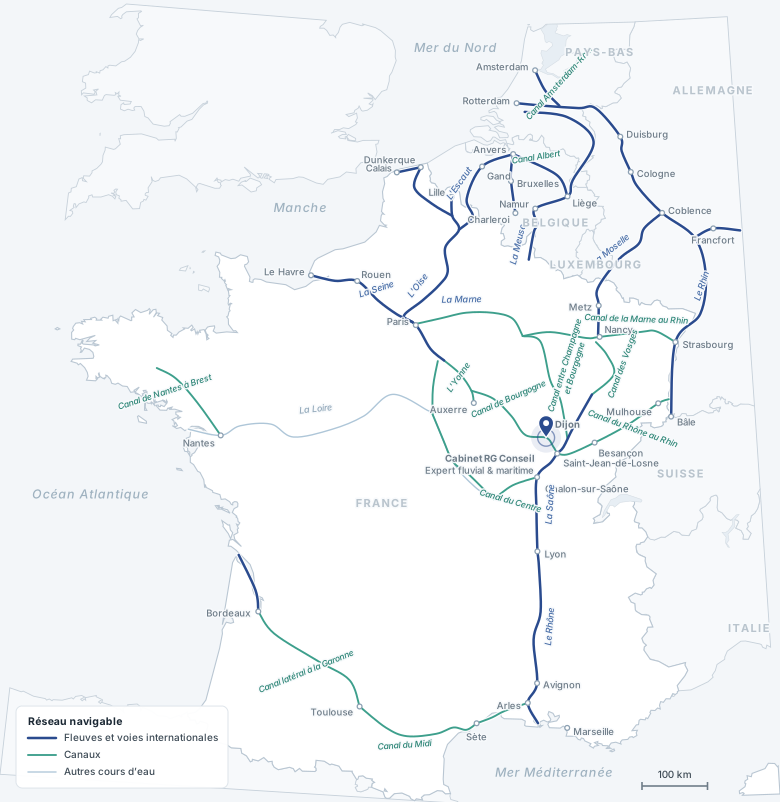
Based in Longvic, at the gates of Dijon, the practice sits at the junction of the Saône, the Burgundy canal and the Rhône–Rhine canal — the heart of a single, continuous European waterway network.
Assignments cover the whole of France, as well as Belgium, the Netherlands and Germany. No area limits: travelling is part of the job.
A certificate is required in particular for recreational craft of 20 metres and over — or whose length × beam × draught reaches 100 m³ — as well as for commercial vessels and floating establishments. Below these thresholds, other requirements apply. If in doubt, the practice analyses your situation and tells you precisely which regime applies.
The technical assessment of vessel compliance is entrusted to inspection bodies accredited by the ministry in charge of transport. This regime, created by decree no. 2025‑50 of 15 January 2025, came into force on 1 July 2025; since 1 July 2026, accreditation has been mandatory. The body carries out the inspections and draws up the assessment report; the competent authority then issues the navigation certificate.
Out of the water, the underwater body is examined — bottom, plating, rudder, propeller, through-hull fittings — and thicknesses are measured. In the water, the vessel is checked in service: systems, equipment, running tests. Depending on the procedure, one, the other or both are needed; the quote sets out the exact programme.
It measures, without dismantling anything, the residual thickness of the plating at numerous points. The readings are mapped: the map shows the condition of the hull, locates wear and lets you anticipate work.
A survey reveals the true condition of the hull and systems, the work to plan for and any non-compliances. It is a negotiating argument and a protection — for the buyer, the seller and the insurer.
The cost depends on the service, the size of the vessel, its location and the associated checks. Every enquiry receives a free, detailed, no-obligation quote, usually within 48 hours.
The official resources for your procedures — and someone to help you find your way around.
Describe your vessel and your requirements. You will receive a clear reply and a detailed, no-obligation quotation, usually within 48 hours.
21 allée de la Michaudière, 21600 Longvic, France · Monday to Friday, 8 am – 6 pm · weekends on request.
The second button prepares the enquiry in Outlook, Gmail or your default email application, where you can add attachments.
The information entered is used only to answer your enquiry.
Cabinet RG Conseil — SARL with a capital of €5,000
Registered office: 21 allée de la Michaudière, 21600 Longvic, France
RCS Dijon 879 522 084 · SIRET 879 522 084 00026 · APE 7120B
Intra-community VAT: FR06 879 522 084
Publication director: Aurélien Régent, managing director
Contact: info@expert-fluvial.fr · +33 6 64 59 10 86
OVH SAS — 2 rue Kellermann, 59100 Roubaix, France — tel. +33 9 72 10 10 07 — www.ovhcloud.com
Inspection body accredited by the ministry in charge of Transport for assessing the compliance of floating structures in inland navigation (articles R. 4221-19 et seq. of the French transport code) — decision of 1 June 2026, NOR: TRAT2609740S, signatory expert: Aurélien Régent.
All content on this site (texts, illustrations, maps, photographs) is the property of Cabinet RG Conseil unless otherwise stated. Any reproduction without prior written authorisation is prohibited.
Information sent via the contact form is delivered only to the practice for the purpose of handling your enquiry; it is neither shared nor used for any other purpose. This site sets no cookies and uses no trackers. You have the right to access, rectify and erase your data, exercisable by email.
In accordance with articles L. 612-1 et seq. of the French consumer code, any consumer may have free recourse to a consumer mediator with a view to the amicable resolution of a dispute. The contact details of the competent mediator are available on request.
This site and its legal notice are governed by French law. In the event of a dispute, and failing amicable resolution, the French courts shall have sole jurisdiction.